Looking for a Lake LBJ home where the water feels calmer and the pace feels lighter? If you are drawn to easy boat days, protected shoreline, and a more residential lake setting, Highland Haven deserves a closer look. This guide will help you understand how quiet cove living works here, what makes this community different, and what to check before you buy. Let’s dive in.
Why Highland Haven appeals to quiet-water buyers
Highland Haven is a Burnet County community on Lake LBJ, about seven miles west of Marble Falls on Highway 1431. The city describes it as a place for full-time or weekend lake living, which fits buyers who want a true lake-home setting without a heavily commercial feel.
Lake LBJ also stands out because it is a stable, constant-level reservoir at roughly 825 feet mean sea level, according to Texas Parks and Wildlife and the Lower Colorado River Authority. For you as a buyer, that can make canal and cove ownership feel more predictable than on lakes with bigger water-level swings.
Highland Haven has a structure that supports a local, neighborhood-style atmosphere. The city government handles streets, building codes, and municipal functions, while the Highland Haven Property Owners Association manages parks and certain community properties.
The HHPOA says property owners are automatically members, there are no dues or assessments, and the association is volunteer-run. It also manages six parks with use restricted to members, guests, and renters. That setup helps explain why Highland Haven often feels quieter than waterfront areas built around broad public access.
How quiet cove living works here
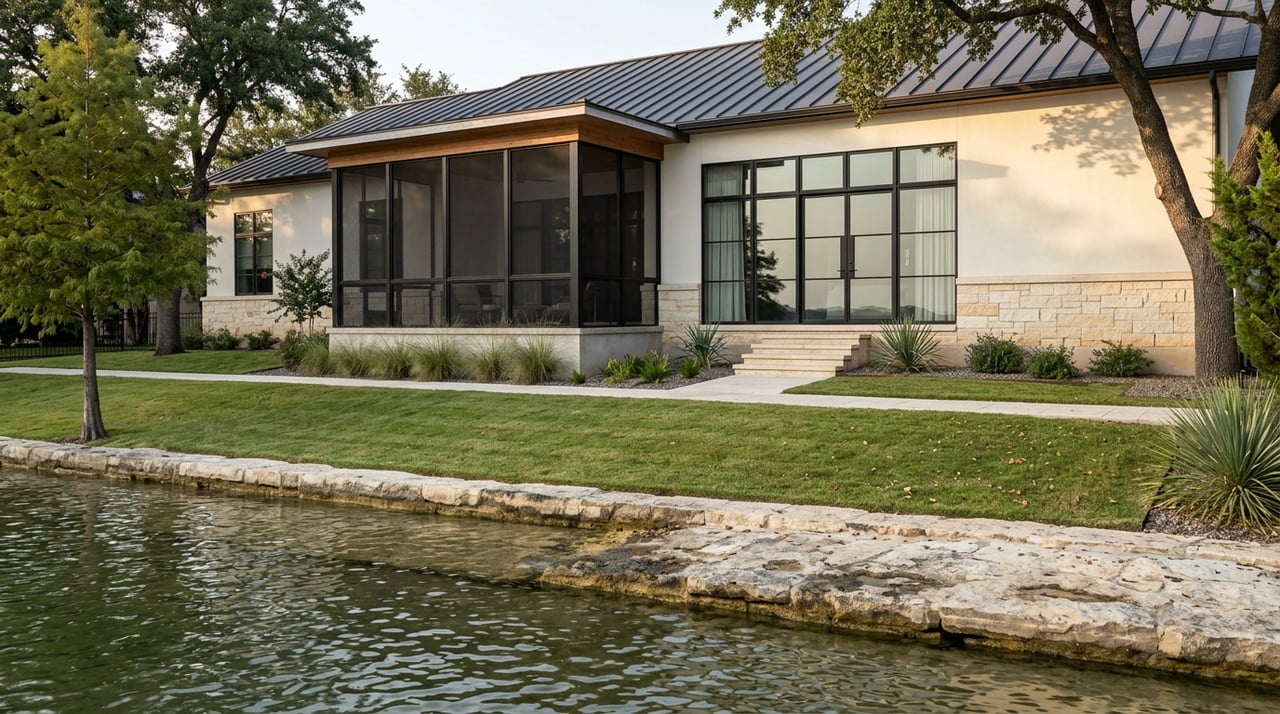
In Highland Haven, not all waterfront is the same. A canal lot, a cove lot, and an open-water lot can create very different day-to-day experiences, even though all three may be marketed as waterfront.
If your goal is calmer water for boarding a boat, swimming, or relaxing by the dock, protected-water locations may be especially appealing. Current listings in and around Highland Haven highlight features like boat slips, swim platforms, storage, personal watercraft lifts, and reduced wave action on the cove side.
Open-water homes can offer broader views and room for larger dock or platform layouts, based on current listing examples. Protected-water homes often emphasize ease of use and a more sheltered feel. The right choice depends on how you picture using the property most weekends or most mornings.
Canal lots and navigation rules
Highland Haven’s water rules are built around calm-water use. City ordinance requires no-wake operation on dredged canals and within city limits, which is important if you are specifically seeking a quieter waterfront experience.
The same ordinance says watercraft mooring must preserve a 35-foot open steerage area in canals. In practical terms, that means your dock, lift placement, and boat size all need to work within a real navigation corridor, not just within the lot lines on paper.
For canal buyers, this is one of the biggest details to verify early. A waterfront lot may look ideal online, but the usable setup for your boat can depend on the width of the waterway and the existing dock design.
Cove and open-water differences
Cove and open-water lots are governed by different size and projection limits under city code. That matters because the type of frontage can directly affect what kind of waterfront facility is allowed and how the space functions.
On a cove-side property, you may find a layout that supports easier boarding, swimming, and storage with less wave action. On an open-water property, you may see more emphasis on wide views, larger decks, and a different dock footprint.
Neither option is automatically better. The better fit is the one that matches your lifestyle, your boat, and how much activity you want right outside your back door.
What makes Highland Haven feel more residential
Part of Highland Haven’s appeal is how access is organized. Instead of relying on a busy commercial marina network, many lake activities here center on community-managed spaces and private waterfront ownership.
The HHPOA park rules limit use of park properties to owners, families, guests, and renters. Park use is controlled through stickers or guest passes, and the rules also prohibit overnight camping, excessive noise, and fireworks in the parks.
That does not make Highland Haven formally private in every sense, but it does support a more residential rhythm. If you want a setting that leans toward neighborhood use rather than steady public traffic, that distinction may matter a lot.
Parks, launch access, and daily convenience
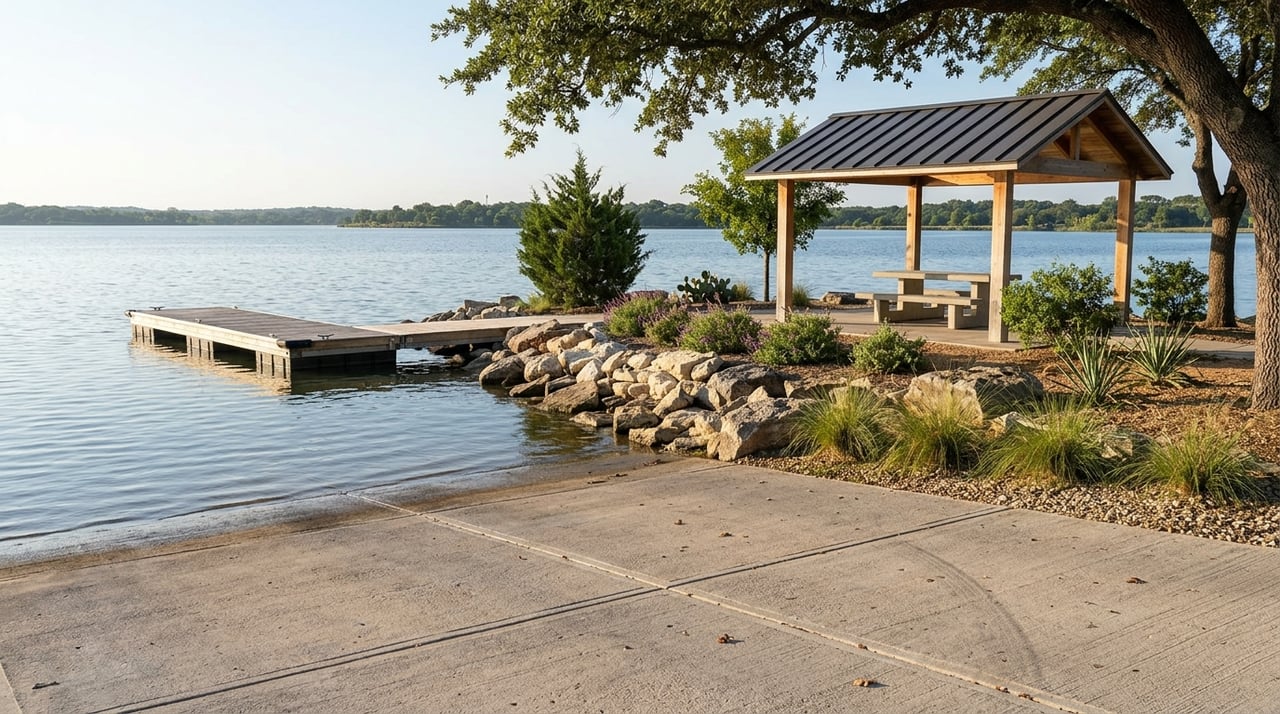
Highland Haven says it has six parks around the lake, with Dove Park as the only fully developed one. The city describes Dove Park as having a deluxe boat launch capable of handling large lake craft.
City ordinance also authorizes a protected swimming area at Dove Park Pier with buoys approved through the city and LCRA. For buyers, this adds another layer of convenience beyond your own lot, especially if you enjoy organized access points for launching or swimming.
The city also notes a community center behind City Hall and resident trailer, boat, and RV parking with limited storage rooms. HHPOA says it operates additional covered and uncovered trailer and RV spaces plus storage sheds for rent.
If you plan to spend a lot of time on the lake, these support features can shape how easy ownership feels. Sometimes the small details, like where you keep a trailer or how close you are to Dove Park, make a big difference in how often you actually use the property.
What to check before you buy
A quiet cove home can be a great fit, but only if the property works for the way you plan to live on the water. Before you move forward, pay close attention to the details below.
Confirm the frontage type
Start by confirming whether the lot is on a channel, cove, or open water. That single fact affects dock rules, navigation, and the overall feel of the property.
A canal lot is not just protected waterfront. It is also a regulated waterway with clearance and steerage requirements that may affect your boat setup.
Ask for the survey early
Highland Haven’s code says side lot lines extend into the water as shown on certified surveys. It also requires waterfront structures to stay out of the five-foot over-water setback from the property-line extension.
The city further requires a certified survey showing the distance to the waterline across the waterway before certain waterfront work is approved. In simple terms, a dock that works on one lot may not work on the lot next door.
Review the dock setup carefully
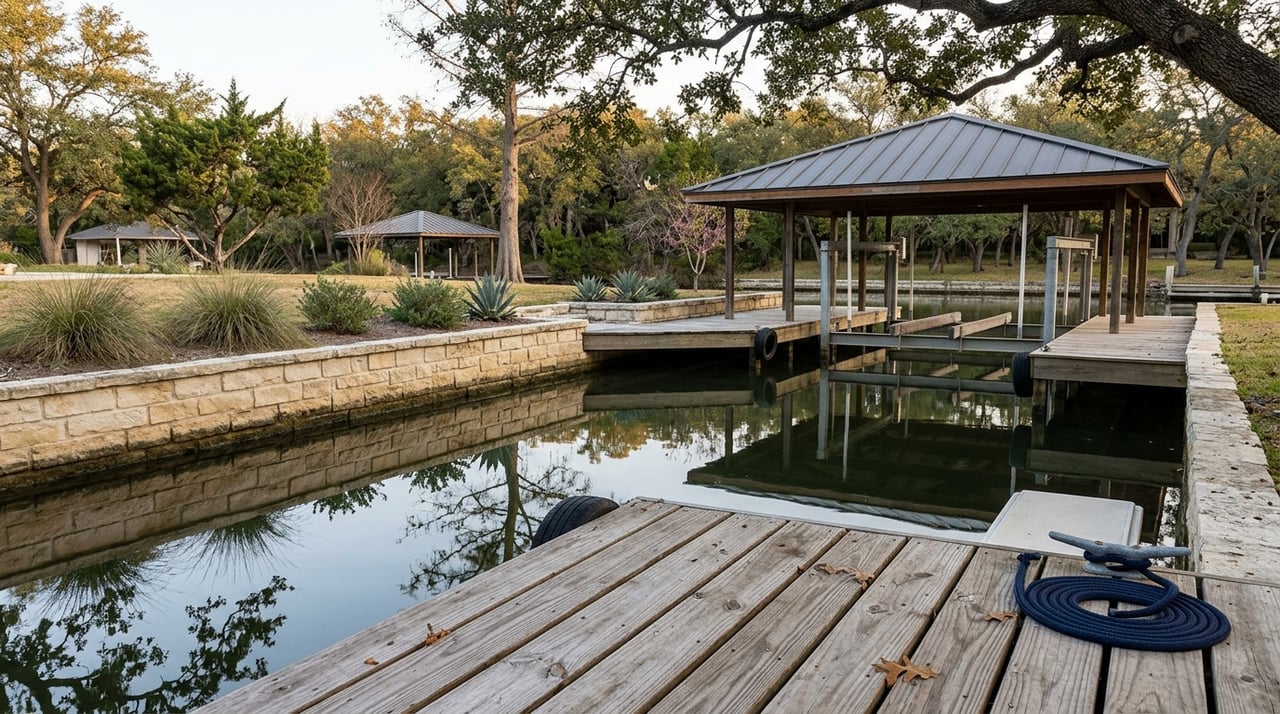
Look beyond the phrase “private dock.” Ask about the number of slips, lift height, personal watercraft lifts, storage areas, swim platforms, and whether the dock is covered.
Current listings in Highland Haven show a wide range of setups, including one-stall docks with electric lifts, covered slips, large decks, storage or workshop space, and lifts tall enough to keep a tower up. If you already own a boat, compare the property to how you actually launch, board, and store it.
Verify waterfront facility limits
City code says waterfront facilities must conform to LCRA rules and are limited to one facility per waterfront lot. Ownership of the facility is also tied to the associated waterfront lot.
This is an important point if you are thinking ahead about changes or additions. Your plans need to fit the property’s frontage, survey lines, and local rules.
Consider park and storage access
If resident-only amenities are part of the appeal, ask how park access works for the specific property. Since HHPOA membership is tied to ownership, and park use is limited to owners, guests, and renters, it is smart to understand exactly what comes with the home.
You should also ask about trailer, boat, RV, and storage options if those matter to your routine. Convenience off the water often shapes convenience on the water.
Think about ongoing lake maintenance
Texas Parks and Wildlife notes that Lake LBJ has zebra mussels, and boaters should clean, drain, and dry gear before moving it to another water body. For you as an owner, this is part of the long-term maintenance picture.
It is also wise to think through dock upkeep, bulkheads, lift maintenance, and storage for water toys and gear. Quiet cove living is not just about the view. It is also about how easy the property is to maintain and enjoy over time.
Who Highland Haven may suit best
Highland Haven can be a strong match if you want a residential Lake LBJ setting with calm-water rules, community-managed parks, and a lower-key atmosphere. It may be especially appealing if you care more about usability, easy lake access, and neighborhood feel than nonstop activity.
It can also work well if you are deciding between open water and protected water and want to be intentional about that choice. In this market, lifestyle fit matters just as much as square footage or finish level.
A knowledgeable local guide can help you compare frontage types, dock setups, and day-to-day practicality so you buy the right lake property for the way you actually want to live. If you are exploring Highland Haven or other Lake LBJ options, Lake Homes Team Bruce Jones can help you narrow the search with lake-specific insight and a practical view of waterfront ownership.
FAQs
What makes Highland Haven different from other Lake LBJ communities?
- Highland Haven has a more residential structure shaped by city oversight, a volunteer property owners association, resident-focused park access, and community-managed amenities rather than a heavily commercial lake setup.
What should you know about canal lots in Highland Haven?
- Canal lots are subject to no-wake rules, mooring requirements, and a 35-foot open steerage area, so dock layout, boat size, and survey details are especially important.
What is the difference between cove living and open-water living in Highland Haven?
- Cove living often offers more protected water for boarding, swimming, and relaxing, while open-water properties may offer broader views and different dock or deck possibilities.
What parks and boat access are available in Highland Haven?
- Highland Haven says it has six lake parks, with Dove Park as the only fully developed park, including a deluxe boat launch and a protected swimming area at Dove Park Pier.
What documents should you review before buying a waterfront home in Highland Haven?
- You should review the certified survey early, confirm the frontage type, and check how the existing dock or waterfront facility fits local setback, clearance, and navigation rules.
What storage and convenience features should buyers ask about in Highland Haven?
- Ask about park access, distance to Dove Park, trailer or RV parking, storage sheds, and whether the property’s dock and lift setup matches your boating needs.