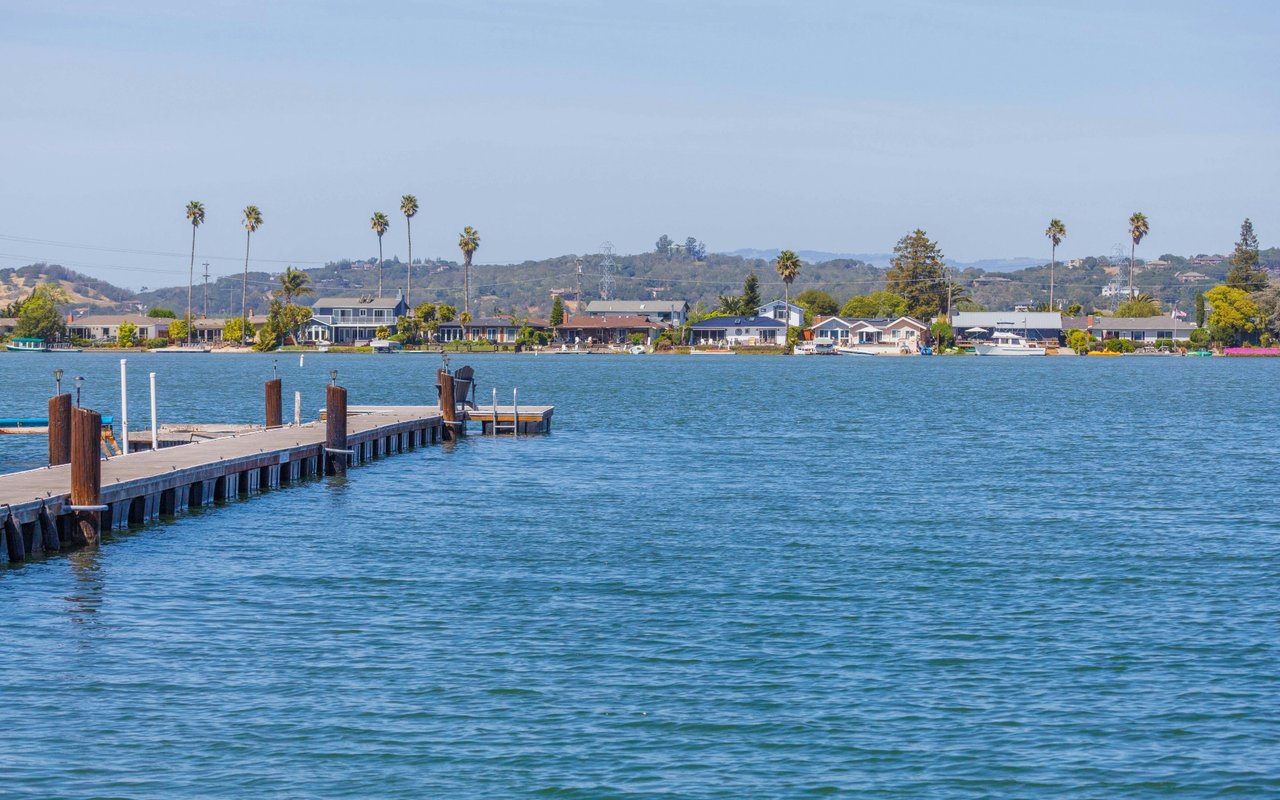
Lake Murray is a gargantuan 50,000-acre wonder stretching across four counties — Lexington, Newberry, Saluda, and Richland — outside Columbia, South Carolina. Within its 650 miles of shoreline, the lake has played host to generations of families and has shaped the area’s culture. From expanding the frontier to providing power, Lake Murray is the lifeblood of central South Carolina.
Given its proximity to Columbia, Lake Murray residents are only a stone’s throw from creature comforts. There are several hospitals and medical centers around Lake Murray, such as Lexington Medical Center and Newberry County Memorial Hospital. Shealy Airport-SC14 is a smaller airstrip west of the lake, but the closest major airport is Columbia Metropolitan Airport, about 30 minutes from the lake. The nearest supermarket is the Publix at Murray Landing by the Saluda Dam on the lake’s eastern shore.
Named for the Saluda tribe that inhabited the area, the Saluda River is the primary inflow and outflow of Lake Murray. The tribe eventually migrated to Pennsylvania, and Cherokee occupied the region. In the 1750s, German and Swiss emigrants established the villages of Dutch Fork — at the fork of the rivers Broad and Saluda — and Saxe-Gotha in the lower valley of the river.
By 1755, the British and Cherokee came to an agreement wherein the Cherokee would pull out and the British would colonize. The Saluda River and the navigation it allowed were essential to controlling the area, and ferries would carry soldiers and arms to the western frontier.
In the early 1900s, the southern portion of the United States was in dire need of energy infrastructure, and the Saluda River had been a long candidate for hydroelectricity. A man named Thomas Clay Williams believed that the Saluda River could prove a boon for the people of Columbia and South Carolina and sought engineers to construct a dam on the river. Unfortunately, because Williams was not an engineer, many local engineers he proposed his plans to were disinterested in the idea. However, when an engineer from New York named William Spencer Murray laid eyes on the project, he saw the potential for something great.
Following the examination of topographic maps, Murray believed that a dam on the Saluda River would not only generate a wealth of energy, but the dam’s cost would be cheap compared to its benefit. Williams secured the dam site following an intense bout of bureaucracy and record keeping, but the land was predominantly undeveloped woodlands.
Clearing the area would be grueling, but workers were ready for the task. The sheer volume of trees cut down produced an estimated 100 million board feet that essentially satisfied building materials for the dam. Construction began in 1927 and ended in 1930. A building effort on this scale produced, at the time, the world’s largest earthen dam and the world’s largest man-made lake.
Today, the lake is a recreational hotbed for the major urban center and capital city of Columbia and surrounding cities. Along the shores and coves are boat rental facilities, campgrounds, general stores, bait and tackle shops, restaurants, nine marinas, eight RV hookups, and seven public boat launch ramps. The Dreher Island State Recreation area on the lake’s western shore provides lake-based opportunities and activities such as trails, fishing tournaments, playgrounds, lodging, campsites, and events.
Given the lake’s size alone, it’s no wonder it teems with life. While fishing in the vast waters of Lake Murray, anglers can reel in largemouth bass, catfish, crappie, bluegill, sunfish, warmouth, perch, and pickerel, among others. In addition, watersports, such as boating, skiing, and tubing, are popular at Lake Murray.
With its boundless horizon, countless amenities, and rich history, Lake Murray isn’t just a vacation destination but the perfect place to settle down.
3,824 people live in Lake Murray, where the median age is 46 and the average individual income is $61,036. Data provided by the U.S. Census Bureau.
Total Population
Median Age
Population Density Population Density This is the number of people per square mile in a neighborhood.
Average individual Income
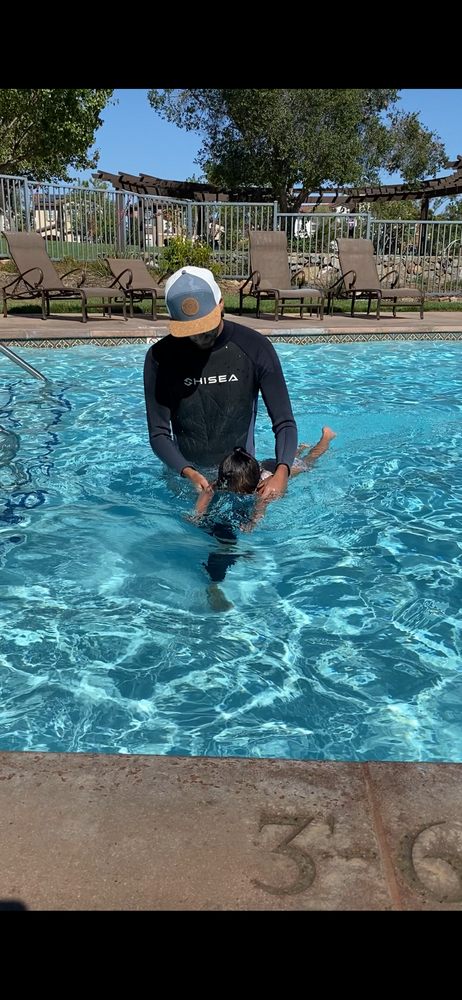
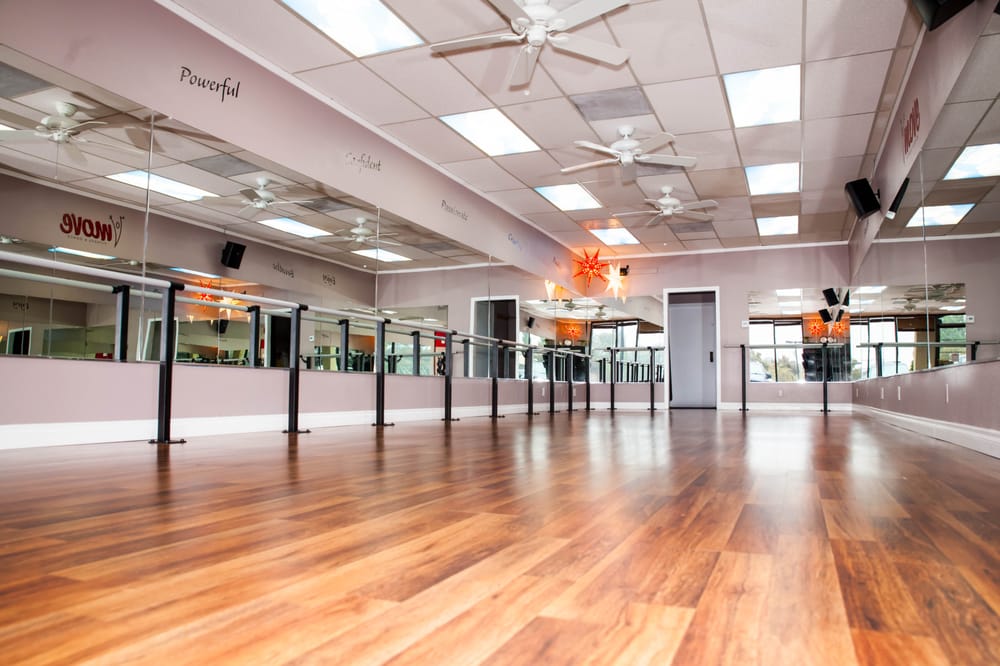
There's plenty to do around Lake Murray, including shopping, dining, nightlife, parks, and more. Data provided by Walk Score and Yelp.
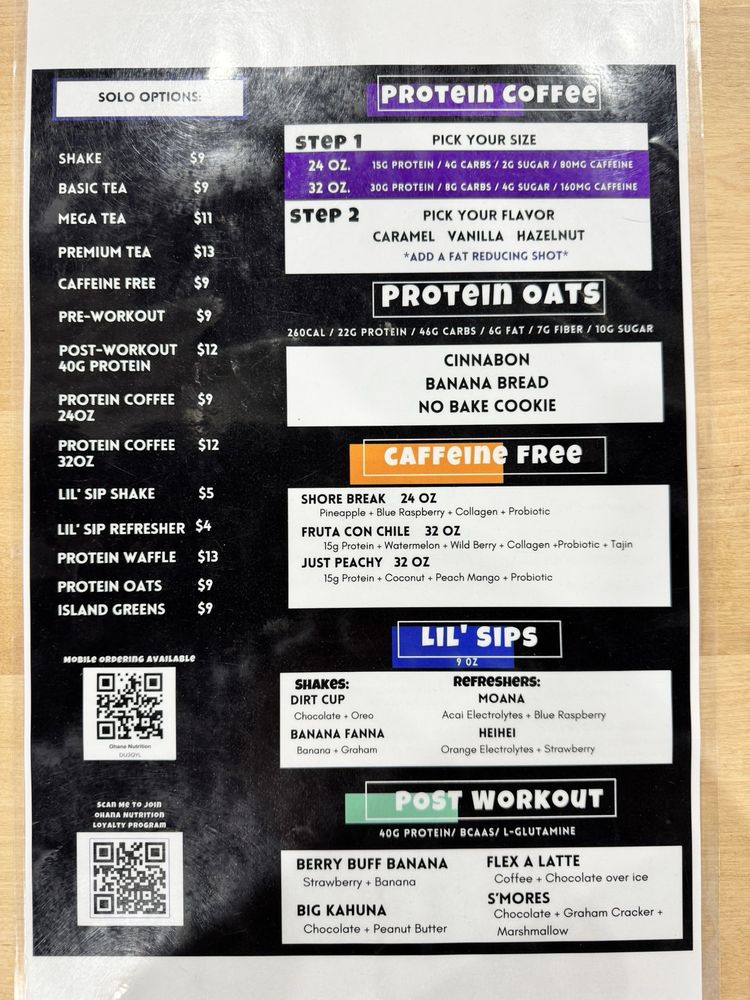
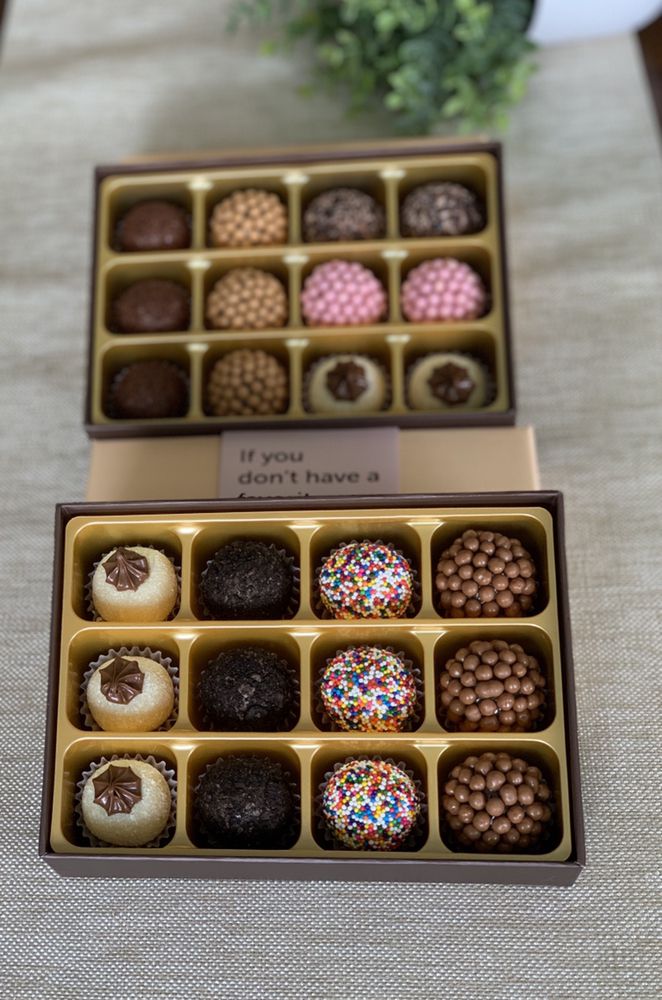
Explore popular things to do in the area, including Citizen Brewers, Ohana Nutrition, and I Got Your Cake.
| Name | Category | Distance | Reviews |
Ratings by
Yelp
|
|---|---|---|---|---|
| Dining · $ | 4.16 miles | 27 reviews | 5/5 stars | |
| Dining | 2.74 miles | 20 reviews | 5/5 stars | |
| Dining | 2.66 miles | 17 reviews | 5/5 stars | |
| Dining | 0.91 miles | 17 reviews | 5/5 stars | |
| Shopping | 2.02 miles | 6 reviews | 5/5 stars | |
| Shopping | 1.98 miles | 25 reviews | 5/5 stars | |
| Active | 1.71 miles | 5 reviews | 5/5 stars | |
| Active | 1.81 miles | 25 reviews | 5/5 stars | |
| Active | 0.95 miles | 29 reviews | 5/5 stars | |
| Active | 2.78 miles | 7 reviews | 5/5 stars | |
| Active | 0.73 miles | 24 reviews | 5/5 stars | |
| Beauty | 0.71 miles | 14 reviews | 5/5 stars | |
| Beauty | 2.34 miles | 14 reviews | 5/5 stars | |
| Beauty | 1.66 miles | 7 reviews | 5/5 stars | |
| Beauty | 1.53 miles | 18 reviews | 5/5 stars | |
| Beauty | 3.65 miles | 16 reviews | 5/5 stars | |
| Beauty | 2.14 miles | 20 reviews | 5/5 stars | |
| Beauty | 3.98 miles | 73 reviews | 5/5 stars | |
| Beauty | 2.25 miles | 7 reviews | 5/5 stars | |
| Beauty | 0.71 miles | 6 reviews | 5/5 stars | |
| Beauty | 1.03 miles | 27 reviews | 5/5 stars | |
| Beauty | 3.92 miles | 5 reviews | 5/5 stars | |
| Beauty | 1.53 miles | 7 reviews | 5/5 stars | |
| Beauty | 1.7 miles | 7 reviews | 5/5 stars | |
|
|
||||
|
|
||||
|
|
||||
|
|
||||
|
|
||||
|
|
Lake Murray has 1,513 households, with an average household size of 3. Data provided by the U.S. Census Bureau. Here’s what the people living in Lake Murray do for work — and how long it takes them to get there. Data provided by the U.S. Census Bureau. 3,824 people call Lake Murray home. The population density is 9,452.605 and the largest age group is Data provided by the U.S. Census Bureau.
Total Population
Population Density Population Density This is the number of people per square mile in a neighborhood.
Median Age
Men vs Women
Population by Age Group
0-9 Years
10-17 Years
18-24 Years
25-64 Years
65-74 Years
75+ Years
Education Level
Total Households
Average Household Size
Average individual Income
Households with Children
With Children:
Without Children:
Marital Status
Blue vs White Collar Workers
Blue Collar:
White Collar:
We pride ourselves in providing personalized solutions that bring our clients closer to their dream properties and enhance their long-term wealth. Contact us today to discuss all your real estate needs!